How to choose a vaginal probiotic supplement: what the label has to tell you
Three things separate a serious formula from a decorative one, and all three are printed on the back of the bottle. Here is the test, and one product measured against it.
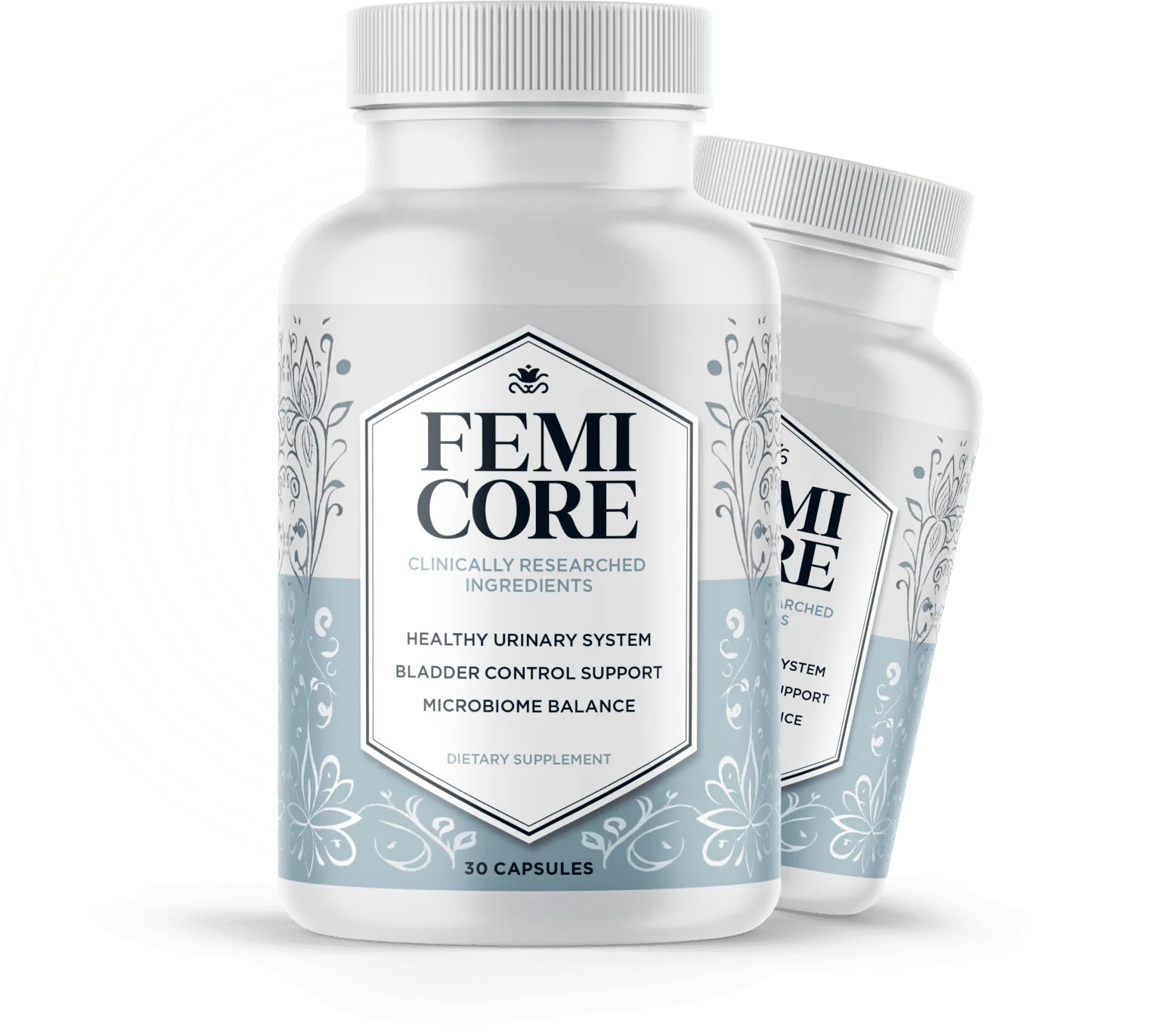
The one product we found that names every strain, leads with L. crispatus LCr86 and standardizes its cranberry to 30% PACs. It loses points on two counts, both named below.
Check Today's Price on the Official SiteOfficial site · no autoship · 60-day guarantee from delivery · see the full scorecard
Test 1: does it name the strain, or only the species?
Here is the practical version. Saying "Lactobacillus crispatus" is like saying "a dog." Saying "Lactobacillus crispatus LCr86" is like saying "a border collie." Two strains of the same species can behave completely differently in the body, and the clinical studies that produce meaningful findings are always run on one specific strain, never on the species in general.
This matters more than almost anything else on the label, and it is the cheapest thing for a manufacturer to get right. Naming a strain costs nothing except knowing which one you bought. When a company leaves it out, the most common explanation is that it bought a generic blend and does not have the information itself.
There is a second signal hiding in the same list: which strain is listed first. In a probiotic blend, order usually tracks quantity. L. acidophilus is the most commercially common and the most recognisable name on a shelf. Putting a less famous strain ahead of it is what someone does when formulating for a stated purpose rather than for the front of the bottle.
For vaginal health specifically, L. crispatus is the species most associated with a stable vaginal microbiome in the published literature. Research on vaginal community types finds crispatus dominated communities to be the most stable, with the lowest pH. Worth knowing alongside that: L. iners is more common overall, and "most associated with stability" is not the same thing as "most common." That is a general finding about the species, not a claim about any bottle.
Test 2: can you do arithmetic on it?
Say a label prints "Herbal Blend 350 mg" and, inside that blend, lists a berberine extract at 8 percent. You cannot know how much berberine is in the capsule. But you can know it is not more than 28 mg, because even in the impossible case where berberine extract made up the entire blend, 350 multiplied by 8 percent is 28. In practice it is lower, because the other ingredients share that same 350 mg.
That number is useful precisely because it does not depend on knowing the blend split. It is a hard ceiling. And once you have it, you can compare it against what the research on that ingredient actually uses. Berberine's clinical research base sits at 500 mg three times daily. A ceiling of 28 mg tells you immediately that the ingredient is present as a supporting inclusion, not at a studied dose. That is not a criticism of the product. It is information the label gave you and the marketing did not.
Run this on any bottle you are considering. If the label gives you a blend total and any percentage at all, you can bound the ingredient you care about. If it gives you neither, there is nothing to calculate, and that itself is the answer.
The one number a weight cannot replace
Probiotics are conventionally sold by colony forming units, the count of live organisms per serving. Some labels state the probiotic side by weight instead, for example 50 mg split across five strains. That is not against any rule, but it means one specific thing cannot be checked: how many live cultures actually arrive per capsule.
Fifty milligrams of a concentrated freeze dried culture can be a substantial count. Fifty milligrams of a heavily diluted one can be a small one. Without a CFU figure, a buyer cannot tell which, and no amount of arithmetic recovers it. If CFU is how you compare products, treat a missing figure as the open question and ask the company for it in writing before you commit.
Test 3: if there is cranberry, is it standardized?
The number to hold in your head is 36 mg of PACs per day. A 2024 meta analysis of ten randomised trials found cranberry reduced urinary tract infection risk by 15 percent overall, and by 18 percent in the subgroup of trials delivering at least 36 mg of PACs a day, while the trials below that level showed no significant reduction. That research is on the cranberry ingredient, not on any finished product.
The same analysis found something most guides leave out, and it changes how you should buy: the reduction was significant only where the product was used for between 12 and 24 weeks. Sixty days is 8.6 weeks, which falls below that floor. If you are going to give a cranberry product a fair trial, ninety days is the shortest supply that reaches the window the evidence is based on.
So the practical test has two parts. First, does the label state a PAC percentage at all? Second, can you get from that percentage to something near 36 mg a day? If the label gives a standardization figure and a blend total, you can at least bound it, using the same arithmetic as Test 2.
The thirty second checklist
Take this to any bottle, on any shelf or any website.
| What to look for | Good sign | Weak sign |
|---|---|---|
| Organism naming | Species plus a strain code, on every organism | Species only, or "probiotic blend" |
| Lead strain | Chosen for the stated purpose | The most recognisable name, listed first |
| Amounts | Individual mg, or a total you can bound | No total and no percentage anywhere |
| Live culture count | CFU stated per serving | Weight only, no CFU |
| Cranberry, if present | Standardized to a PAC percentage | Sold by raw plant weight |
| Capsule material | Stated, so vegetarians can check | Not stated |
| Company details | Named distributor, address, support contact | Brand name only |
| Refund terms | Window and conditions published before checkout | Found only after you order |
Official site · one time charge, no autoship · 60-day money back guarantee
One product measured against the checklist
We ran the tests above on the product currently getting the most attention in this category. It passes the parts most bottles fail, and it loses points on two, which are worth knowing before you buy rather than after.
4.8 out of 5
| Test | Result |
|---|---|
| Names the strain, not just the species | All five, with codes |
| Lead strain chosen for purpose | L. crispatus LCr86, listed first |
| Cranberry standardized | 30% proanthocyanidins |
| Individual amounts published | No, two proprietary blends |
| CFU count published | No |
| Company details on the bottle | Named distributor and address |
Full strain list: Lactobacillus crispatus LCr86, L. acidophilus LA88, L. plantarum N13, L. gasseri LG08 and L. casei LC16. One capsule daily. Three packages, from $167.99 to $294, all one time charges with no autoship, under a 60 day money back guarantee that runs from delivery.
Where it loses points, plainly. Both blends are proprietary, so you get a 350 mg total and a 50 mg total rather than individual amounts. And there is no CFU figure anywhere on the panel, which is the one thing arithmetic cannot recover. If CFU is how you compare probiotics, that is the open question to settle before you order.
Check Today's Price on the Official SiteOfficial site · one time charge, no autoship · 60-day money back guarantee from delivery
Want the full label before you decide? We transcribed the entire Supplement Facts panel, worked out the ceilings on every ingredient, checked all three prices at the live checkout and read the refund policy line by line. Read the full FemiCore review.
Questions buyers ask
What should a vaginal probiotic supplement have on the label?
Three things. Named strains rather than species alone, meaning a trailing code such as LCr86 after Lactobacillus crispatus. A stated amount for each ingredient, or at minimum a blend total you can do arithmetic on. And if cranberry is included, a proanthocyanidin standardization percentage rather than a raw plant weight. A label that gives none of the three is asking you to trust the front of the bottle instead of the back.
Why does the strain matter more than the species?
Because probiotic effects are strain specific, not species specific. Saying Lactobacillus crispatus is like saying a dog. Saying Lactobacillus crispatus LCr86 is like saying a border collie. Two strains of the same species can behave completely differently, and the clinical studies that produce meaningful findings are always run on one specific strain. A label that stops at the species name is telling you it either does not know which strain is inside or does not want to say.
Which Lactobacillus species is best for vaginal health?
Lactobacillus crispatus is the species most associated with a stable vaginal microbiome in the published literature. Research on vaginal community types finds that crispatus dominated communities are the most stable and carry the lowest pH. Note that L. iners is more common overall, and that being the most associated with stability is not the same as being the most common. This is a general finding about the species, not a claim about any product.
Does a vaginal probiotic need a CFU count?
A CFU figure is the conventional way to state how many live organisms arrive per serving, and its absence means one specific thing cannot be checked. A blend stated only by weight, for example 50 mg split across five strains, could be a concentrated freeze dried culture or a heavily diluted one, and the label does not let you tell which. It is not against any rule to omit it, but if CFU is how you compare products, treat a missing figure as an open question and ask the company in writing.
How much cranberry proanthocyanidin does the research use?
A 2024 meta analysis of ten randomised trials found cranberry reduced urinary tract infection risk by 15 percent overall, and by 18 percent in the subgroup of trials delivering at least 36 mg of proanthocyanidins a day, with no significant reduction in the trials below that level. The same analysis found the reduction was significant only where the product was used for between 12 and 24 weeks. That research is on the cranberry ingredient, not on any finished product.
Is a proprietary blend a reason to avoid a product?
Not on its own. Proprietary blend labeling is legal under the Dietary Supplement Health and Education Act and is common across the category, often used to keep a formula from being copied. What it costs you is verification: you cannot confirm how much of any single ingredient you are getting. Sometimes the blend total plus a standardization percentage still lets you calculate a ceiling, which is more than most buyers realise.
Where these figures come from
- Xiong Z et al. Preventive effect of cranberries with high dose of proanthocyanidins on urinary tract infections: a meta-analysis and systematic review. Front Nutr, 2024. Source of the 36 mg threshold and the 12 to 24 week window. PubMed 39668896
- Ravel J et al. Vaginal microbiome of reproductive-age women. PNAS, 2011, and Gajer P et al. Temporal dynamics of the human vaginal microbiota, Sci Transl Med, 2012. Sources for the association between L. crispatus and a stable vaginal microbiome. PubMed 20534435
- Yin J, Xing H, Ye J. Efficacy of berberine in patients with type 2 diabetes. Metabolism, 2008. Source of the 500 mg three times daily figure. PubMed 18442638
- FemiCore Supplement Facts panel and official checkout, both read in full for the full review. Prices verified August 26, 2026.
Medical disclaimer. These statements have not been evaluated by the Food and Drug Administration. This product is not intended to diagnose, treat, cure or prevent any disease. Nothing on this page is medical advice. Research cited here is on individual ingredients rather than on any finished product. Consult a physician before starting any supplement, and particularly if you are pregnant, breastfeeding, under 18, taking prescription medication or living with a diagnosed condition. Any new or worsening urinary or vaginal symptom needs a doctor rather than a supplement.