FemiCore Review (2026): The Full Label, the Real Price and the 60-Day Guarantee
Every ingredient with the amounts the label publishes, the arithmetic it lets you do on the ones it does not, and the four things worth knowing before checkout.

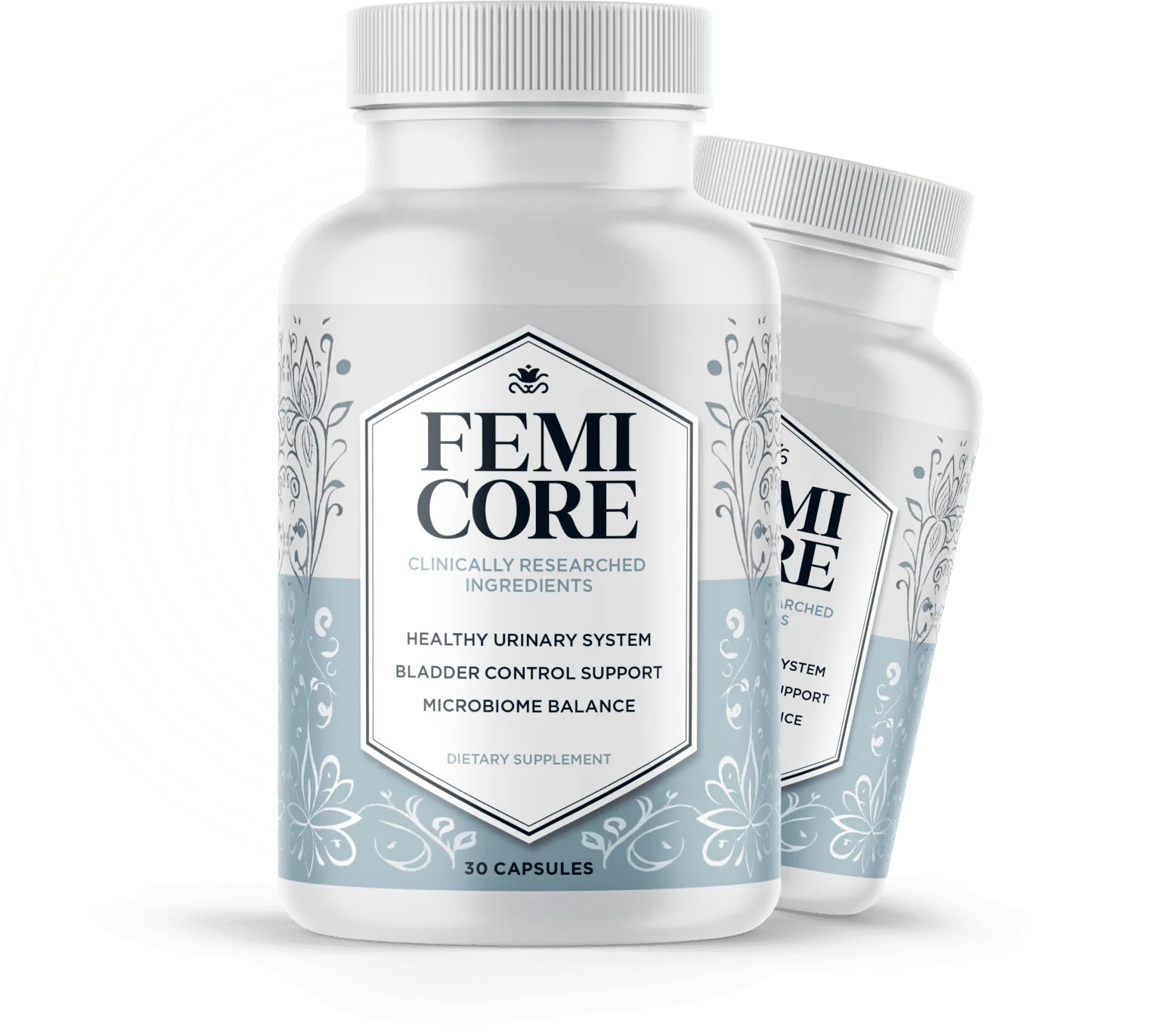
FemiCore
Sold direct only · 60-day money back guarantee · Free shipping on 3 and 6 bottles
The short version. FemiCore is one capsule a day built on two ideas that go together well: a cranberry extract standardized to the exact fraction the research measures, and five named probiotic strains led by Lactobacillus crispatus, the species most associated with a stable vaginal microbiome. Most competing products name only the species. This one names the strain. That is a formulation decision made by someone who knew the literature, and it is the single strongest thing on the label. Two reservations are worth knowing and we work through both in full below, after the part that matters at checkout: this is a one time charge with no autoship, covered by a 60 day money back guarantee that starts the day your package arrives.
Official site · One time charge, no autoship · Not the same as the marketplace listings
- What FemiCore is, in one paragraph
- Which bottle are you actually looking at?
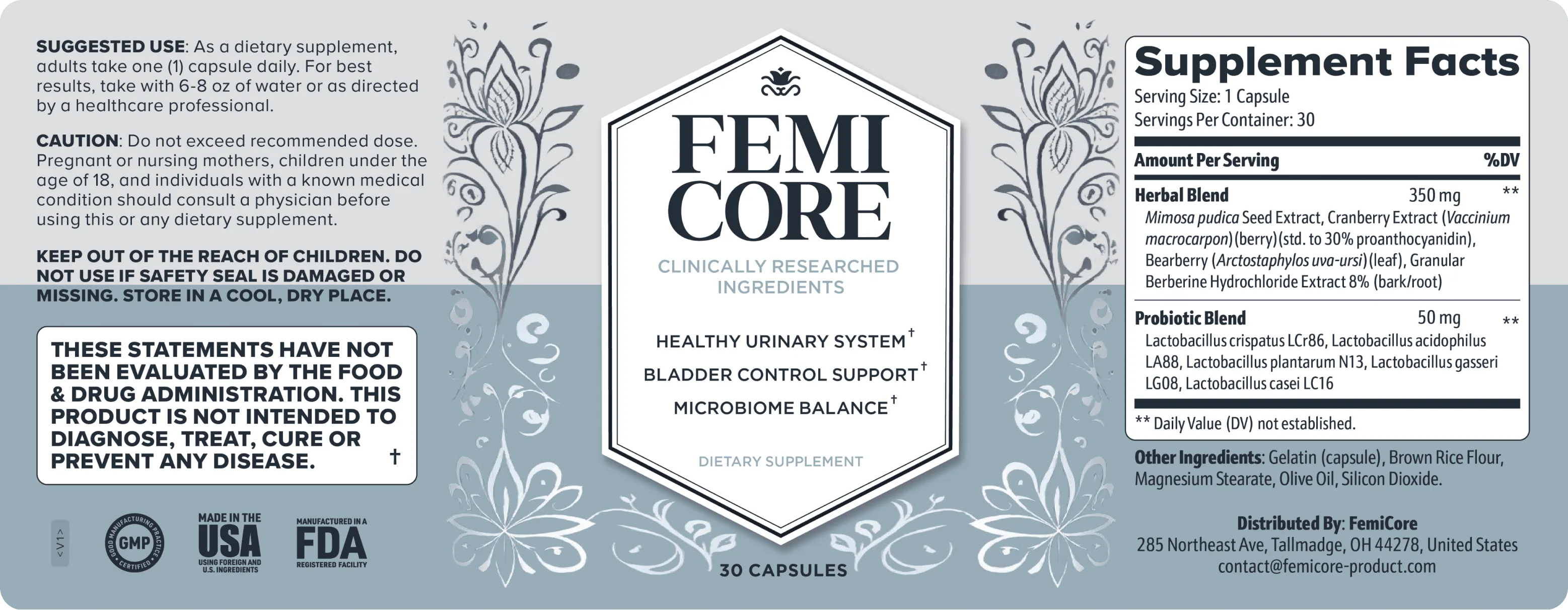
- The label, exactly as printed
- The arithmetic the label lets you do
- The five strains, and why the names matter
- The herbal side: cranberry, bearberry, berberine, mimosa
- What it does well, and where it falls short
- The guarantee, and the date to write down
- Pricing, and which package actually makes sense
- Who it suits, and who should skip it
- How the 4.8 breaks down
- Questions buyers ask
- How we reviewed FemiCore
- References
What FemiCore is, in one paragraph
That combination is worth pausing on, because it is not the usual approach. Most products in this aisle pick a lane. Cranberry pills go after the urinary tract. Women's probiotics go after vaginal flora. FemiCore runs both lanes in one capsule, on the reasoning that the urinary and vaginal microbiomes are neighbours rather than strangers, and that supporting one without the other leaves half the job undone. Whether that reasoning holds for any individual is a conversation for a doctor. As a formulation choice it is coherent, and the ingredient selection backs it up.
First, make sure you know which bottle you are looking at
This is the single most useful thing on this page, and almost nobody covering the product mentions it.
Why FemiCore reviews contradict each other
That is how we found the problem in the first place. We were cross checking ingredient lists across the search results and they would not reconcile. Once you know three products share the name, the contradictions make sense: one writer opened the urinary bottle, another opened the hormonal balance bottle, and neither said which. It is also why we reproduce the panel here in full rather than paraphrasing it, because the label itself settles an argument that a paragraph cannot.
| What you might find | Count | Sold where |
|---|---|---|
| The formula on this page Urinary system, bladder control support, microbiome balance. 350 mg herbal blend plus 50 mg probiotic blend. | 30 capsules | Official website, direct |
| Nature's NutriWave FemiCore A separate brand. Listed as botanical and probiotic capsules, clean formula. | 30 capsules | Amazon marketplace |
| FemiCore Pills Advanced Formula Listed for general women's health and hormonal balance, which is a different purpose entirely. | 60 capsules | Walmart Business |
The label, exactly as printed
Here is everything on the panel, transcribed without editing. The indented rows are the ingredients listed inside each blend, in the order the label prints them. The company publishes the blend totals but not the individual amounts, so the right column is blank for those rows on the label itself, and it is blank here too. We are not going to invent numbers the manufacturer did not give.
| Per 1 capsule | Amount |
|---|---|
| Herbal Blend | 350 mg |
| Mimosa pudica seed extract | not stated |
| Cranberry extract (Vaccinium macrocarpon, berry), standardized to 30% proanthocyanidin | not stated |
| Bearberry (Arctostaphylos uva-ursi, leaf) | not stated |
| Granular berberine hydrochloride extract 8% (bark/root) | not stated |
| Probiotic Blend | 50 mg |
| Lactobacillus crispatus LCr86 | not stated |
| Lactobacillus acidophilus LA88 | not stated |
| Lactobacillus plantarum N13 | not stated |
| Lactobacillus gasseri LG08 | not stated |
| Lactobacillus casei LC16 | not stated |
Other ingredients: gelatin (capsule), brown rice flour, magnesium stearate, olive oil, silicon dioxide.
Suggested use, as printed: one capsule daily, taken with 6 to 8 oz of water or as directed by a healthcare professional.
Distributed by: FemiCore, 285 Northeast Ave, Tallmadge, OH 44278, United States. The address is real, and it resolves to a third party contract fulfilment centre in Ohio that ships for a number of supplement brands rather than to premises of FemiCore's own. That is entirely normal in this category, and it is worth knowing that the address on the bottle is a warehouse rather than a head office.

The arithmetic the label lets you do
Proprietary blend labeling is legal under the Dietary Supplement Health and Education Act and is common right across this category, often used to keep a formula from being copied. So the point of this section is not that something is being withheld. The point is that two numbers are printed, and those two numbers let you calculate more than most buyers realize. Nobody else covering this product has run the arithmetic, so here it is, with every assumption stated out loud.
The berberine ceiling: 28 mg, and it cannot be higher
Run it yourself: 350 mg multiplied by 8% is 28 mg. That is the whole calculation, and it does not depend on knowing the blend split, which is exactly what makes it useful. Every other number on this label is a range. This one is a ceiling.
Now the important part, because a ceiling like that is easy to misread. FemiCore does not claim a metabolic benefit anywhere on its label, and berberine's best studied use is glycemic control, which is not what this product is for. So the honest reading is not that the berberine is underdosed. The honest reading is that berberine is here as a microbiome support inclusion, not as a metabolic dose, and anyone who came to this product hoping for the berberine effects they read about elsewhere should know that before they order. That is a different sentence from the one most reviews would write, and it is the accurate one.
The cranberry question: what the label lets you estimate, and what it does not
Standardization is the word doing the work here, and it is a genuine mark in this product's favour. It means the extract is manufactured to guarantee a fixed percentage of the active fraction rather than being sold by raw plant weight. When a label says "cranberry 500 mg" with no standardization, you know nothing about what is inside. When it says 30% PAC, you know the important part. That specification costs the manufacturer real money, and nobody pays for a 30% PAC extract in order to add a dusting of it.
One more detail, and this one runs in the product's favour rather than against it. A 2010 pharmacodynamic study found that urinary anti adhesion activity peaks around six hours after a cranberry dose and has largely faded by twenty four, and on that basis its authors suggested 36 mg in the morning plus 36 mg in the evening for round the clock coverage. That suggestion was never tested as a protocol. The trials that actually delivered at least 36 mg a day and reported positive results, Ledda in 2017 and Maki in 2016 among them, dosed once daily, exactly the way FemiCore is taken. A single daily capsule is the ordinary way this ingredient has been studied, not a shortcut.
What 50 mg of probiotic blend does and does not tell you
The five strains, and why the names matter
Here is the practical version. Saying "Lactobacillus crispatus" is like saying "a dog." Saying "Lactobacillus crispatus LCr86" is like saying "a border collie." Two strains of the same species can behave completely differently in the body, and the studies that produce meaningful findings are always run on a specific strain. A label that stops at the species name is telling you it either does not know or does not want to say. FemiCore names all five.
The lead strain choice is the other tell. Lactobacillus crispatus is the species most associated with a stable, healthy vaginal microbiome in the published literature. Putting it first, ahead of the far more commercially common acidophilus, is what someone does when they are formulating for the stated purpose rather than for the cheapest recognisable name on a bottle.
 L. crispatusLCr86 · lead strain
 L. acidophilusLA88
 L. plantarumN13
 L. gasseriLG08
 L. caseiLC16
The one thing the probiotic blend does not tell you
Probiotics are conventionally sold by colony forming units, the count of live organisms per serving. FemiCore lists its probiotic blend by weight instead: 50 mg, split five ways. There is no CFU figure anywhere on the panel.
This is not unusual and it is not against any rule, but it does mean one specific thing cannot be checked from the label: how many live cultures arrive per capsule. Fifty milligrams of a concentrated freeze dried culture can be a substantial count, and fifty milligrams of a heavily diluted one can be a small one. Without the CFU number, a buyer cannot tell which. If you are someone who compares probiotics by CFU, treat this as the open question and ask for the figure in writing, noting that the 60 day window runs from delivery rather than from their reply. If you are buying primarily for the cranberry and herbal side, with the probiotics as a supporting cast, it matters much less.
See the Five Strains on the Official LabelOfficial site · 60-day money back guarantee · One time charge, no autoship
The herbal side: cranberry, bearberry, berberine, mimosa
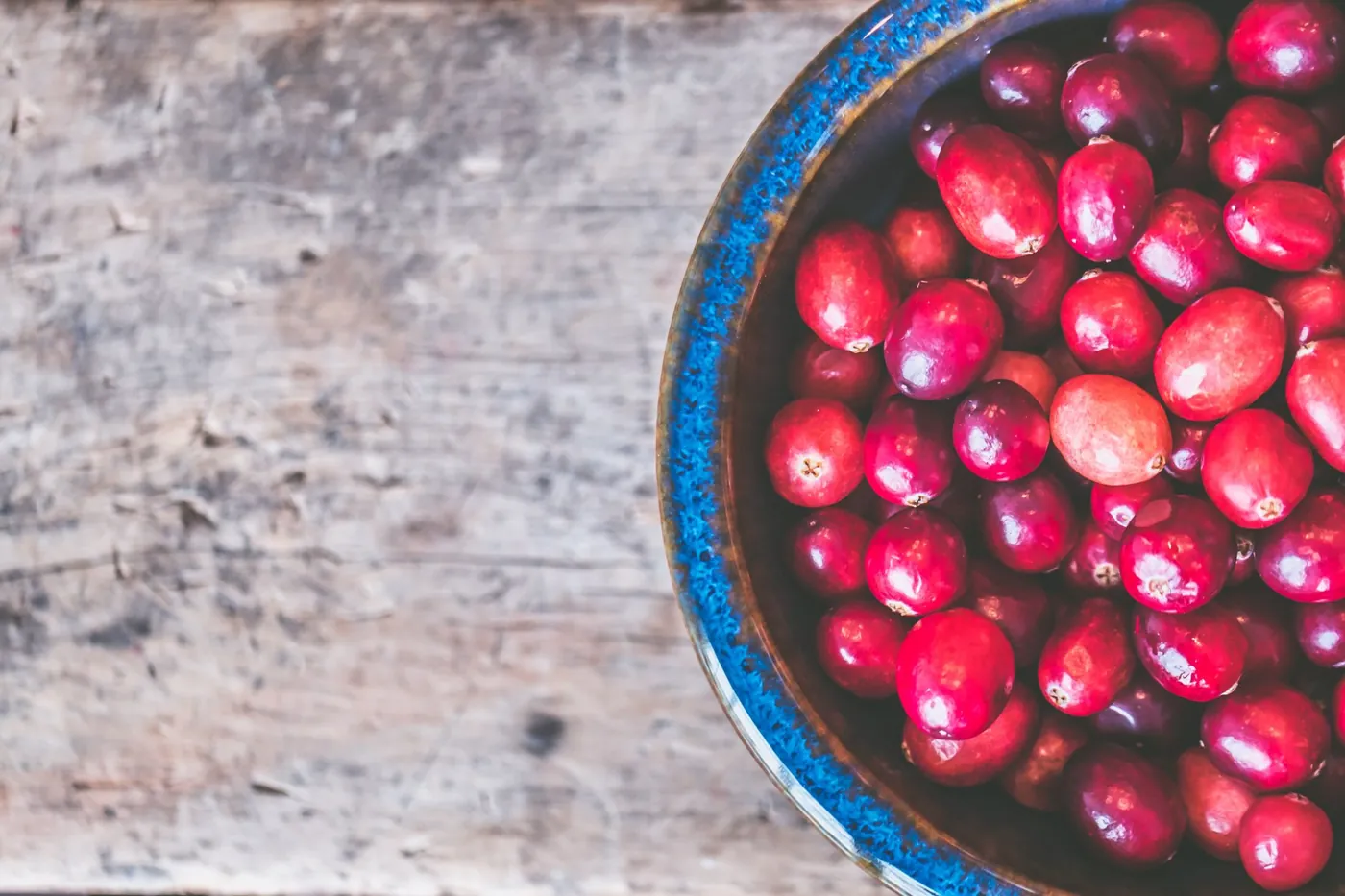
 Cranberry30% PAC standardized
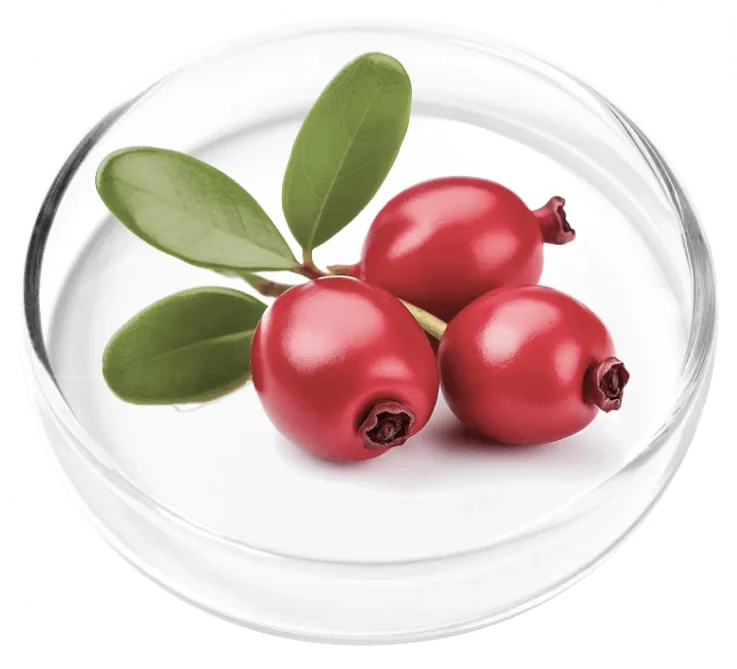 BearberryUva-ursi, leaf
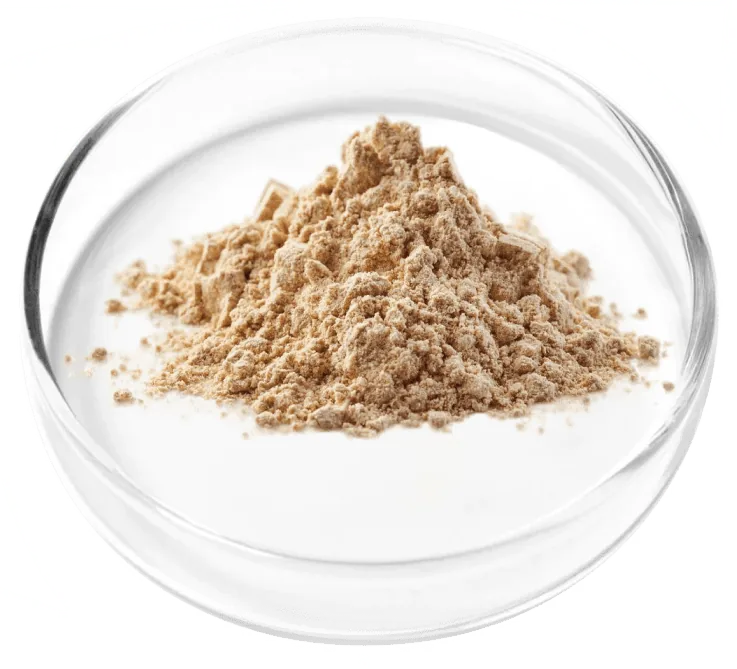 Berberine HCl8% extract
 Mimosa pudicaSeed extract
Cranberry is the anchor, and it is the one with the deepest research base for urinary tract support in women. As covered above, the 30% proanthocyanidin standardization is the detail that separates a serious cranberry ingredient from a decorative one.
Bearberry, listed by its botanical name Arctostaphylos uva-ursi, is a traditional urinary herb with a long history of use in European herbal practice. It is also the ingredient on this label with the clearest reason not to take it indefinitely. The European Medicines Agency herbal monograph on uva-ursi leaf sets a duration limit of one week, contraindicates it in kidney disorders, and does not recommend it in pregnancy, while breastfeeding, or under 18. That monograph covers therapeutic uva-ursi preparations dosed far higher than anything that fits inside a shared 350 mg blend, so the one week limit does not transfer directly to this capsule. It is still the single clearest reason to raise this ingredient with a doctor before a six month run, which the six bottle package invites you to do.
Berberine hydrochloride is included at an 8% extract. Berberine is well studied and also well documented as interacting with a number of prescription medicines, which is the specific reason the caution box on the bottle exists. Anyone on regular medication should clear this one with a pharmacist. That is not a knock on the product. It is how berberine works.
Mimosa pudica seed extract is the least conventional inclusion and the one with the thinnest human research behind it. It appears in gut cleanse formulas more often than urinary ones. We would call it the ingredient with the most to prove on this label.
What it does well, and where it falls short
What it gets right
- ✓ Five named strains. Strain designations, not just species. The standard good products hold.
- ✓ Lead strain is the right one. L. crispatus first, ahead of the cheaper obvious pick.
- ✓ Cranberry is standardized. 30% PAC, the fraction the research actually measures.
- ✓ One capsule, one time charge. No autoship, no recurring billing, no daily powder ritual.
- ✓ Real company details. Named distributor, street address and support email printed on the bottle.
- ✓ Made in the USA in an FDA-registered, GMP-certified facility.
What to go in knowing
- ● Both blends are proprietary. You get 350 mg and 50 mg totals, not individual amounts.
- ● No CFU count. Live culture count cannot be verified from the label.
- ● Gelatin capsule. Not vegetarian and not vegan.
- ● No trial on the finished formula. The research is on the ingredients, not on this capsule.
- ● Uva-ursi is traditionally a short course herb. Worth raising before a six month run.
- ● No single bottle. The smallest entry is two bottles at $158 plus shipping.
How it compares with the two things most women buy instead
Anyone weighing this capsule is usually weighing it against two familiar shelf options: a standalone cranberry supplement, or a general women's probiotic. Laid side by side, the trade becomes legible.
| Criterion | This capsule | Standalone cranberry | Women's probiotic |
|---|---|---|---|
| Standardized cranberry PACs | Yes, 30% | Sometimes, often sold by raw weight | No |
| Named probiotic strains | Yes, all five | No probiotics | Varies, many list species only |
| CFU count published | No | Not applicable | Usually yes |
| Individual ingredient amounts | No, two proprietary blends | Usually yes | Varies |
| Daily routine | One capsule | One to two capsules | One capsule |
| Billing | One time charge, no autoship | Retail or subscription | Frequently subscription |
Buying the two categories separately usually gets you full amount disclosure and a CFU number, and it costs you two purchases, two bottles and two routines. This capsule gets you one side of each in a single daily capsule with a lead strain chosen on purpose, and the price of that convenience is paid in disclosure. Which of those you would rather pay is genuinely a matter of what you value, not a matter of one being better.
See All Three Packages and Pick YoursOfficial site · 60-day money back guarantee · Free shipping on 3 and 6 bottles

The guarantee, and the date to write down

The half of that fact that also matters. The window is 60 days on every package, and it runs from the day the package is delivered rather than from your last capsule. A larger order does not shorten your decision time by a single day. You reach the same deadline, holding the same information, whether two bottles or six arrived at your door. What changes between the packages is not how long you have to decide. It is what you pay per day if the answer turns out to be yes.
Sixty days is the category standard, so this is neither generous nor stingy. What makes it worth a section of its own is the mismatch between the supply length and the guarantee length, and the fact that the largest package is the one where the mismatch is widest.
Three practical notes. First, the clock is worth tracking from the day the package arrives, and the honest move is to put a reminder in your phone for day 50. Second, the requirement to send back all bottles is the part people miss: if you have thrown away the empties, the refund gets complicated. Keep the box. Third, return shipping is on you, and it is going to Ohio, so factor that into what a refund is actually worth on a large order.
None of that is unusual for direct-to-consumer supplements, and the company states the terms openly rather than burying them. But "stated openly" and "understood before checkout" are different things, and this is the paragraph most buyers would want to have read first.
Start the 60-Day Window TodayThe window runs from the day your package arrives · Same 60 days on every package
Pricing, and which package actually makes sense
Cost per day is the number that actually compares across products, and it is the one nobody publishes, because copying the price table off a sales page is easier than dividing by the capsule count. Here it is, worked out.
| Package | Total | Per bottle | Per day | You save |
|---|---|---|---|---|
| 2 bottles, 60 day supply | $158 plus $9.99 shipping | $79 | $2.80 | - |
| 3 bottles, 90 day supply | $207, free shipping | $69 | $2.30 | $30 |
| 6 bottles, 180 day supply | $294, free shipping | $49 | $1.63 | $180 |
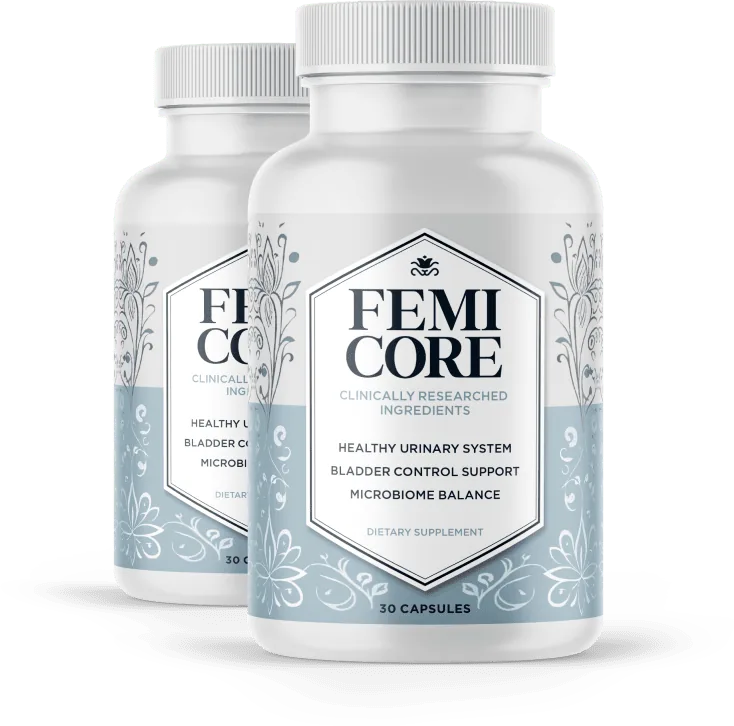 2 Bottles
60 day supply. The smallest order available, and the only tier that still charges shipping. Your last capsule lands on the last day of the guarantee.
Get the 2 Bottle Package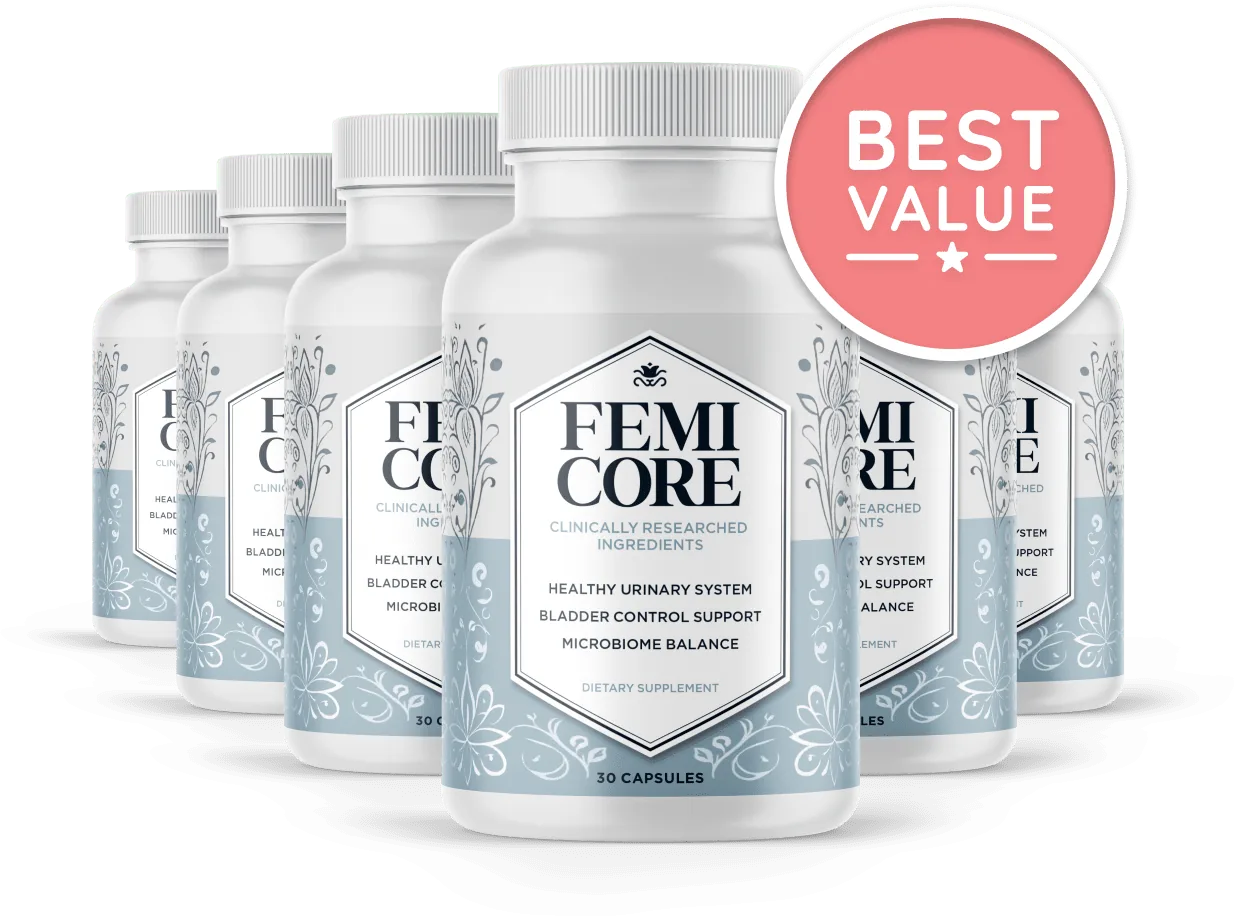 6 Bottles
180 day supply at $1.63 a day, the lowest per bottle price, free shipping and three digital guides. Same 60 day window as every other package.
Get the 6 Bottle Package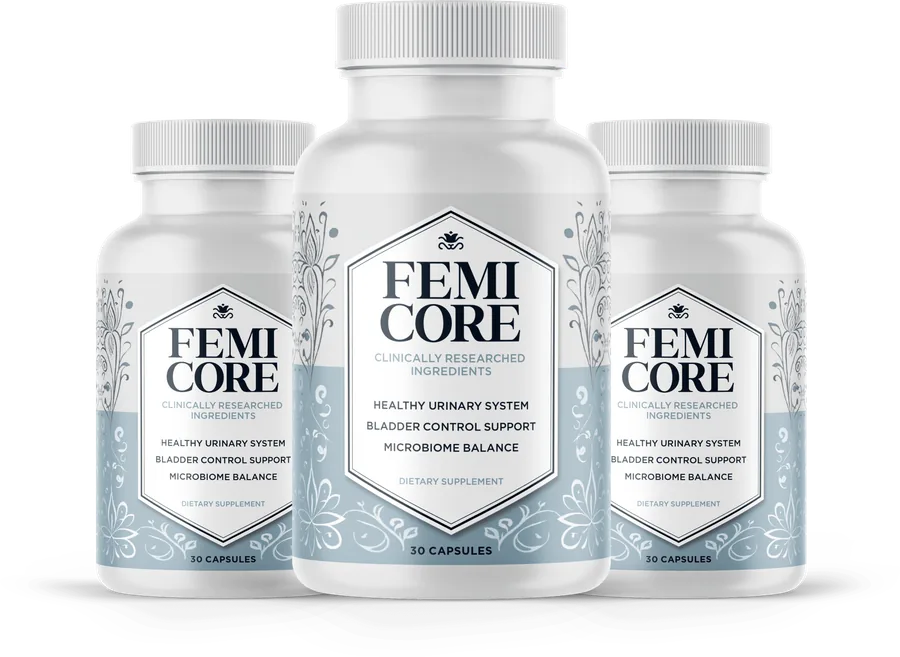 3 Bottles
90 day supply, free shipping. The third bottle costs $39.01, which is $1.30 a day against $2.80 a day for the first two. The package we recommend, and the one that gets you inside the 12 to 24 week window the ingredient research is based on.
Get the 3 Bottle PackageA refund inside 60 days covers the whole order, opened and unopened bottles alike, as long as every bottle goes back. Ordering three does not put the third one at risk.
Our read, plainly. Start from the fact that reframes the whole table: the 60 day guarantee is identical on all three packages, and it runs from the day you order rather than from the day you finish the bottles. Buying six does not give you less time to decide than buying two. You reach the same deadline holding the same information either way. So package size is not a risk decision. It is a cost per day decision, and here is what that costs.
Two bottles comes to $167.99 once shipping is added, the only tier that still carries a shipping charge, and the highest cost per day of the three at $2.80. Its supply also runs out on the exact day the refund window shuts, which sounds tidy and is in fact the tightest possible margin: if you follow the day 50 advice above, you are making that call with ten days of capsules left and nothing after them. It is the right choice for one reason, and it is a perfectly good one, which is that it is the smallest amount of money to put down.
The third bottle is the cheapest item in the entire table. Three bottles is $207 against $167.99, so the extra month costs $39.01, which works out to $1.30 a day against the $2.80 a day you paid for the first two. Free shipping starts at this tier. That is where we point most readers: it is long enough to form a real opinion, it leaves room inside the guarantee window instead of landing on its final day, and the marginal bottle costs less than half what the first two cost.
Six bottles is $294. At the two bottle rate of $79 each, six would cost $474, so the difference is $180, plus free shipping and the three digital guides. It is the correct choice for someone who already knows this is a category she buys in and does not want to reorder at $79 a bottle in five months. Go in with the day 50 note in your phone, exactly as with every other tier.
The disclosure that belongs right here rather than only at the top of the page. We earn more when a larger package is bought. Read the recommendation above knowing that, and check every figure in it against the table, because all of them come off it.
One caveat we raised earlier and will not quietly drop now that we are pointing upward: uva-ursi is traditionally taken in short courses rather than continuously. Owning 180 days of capsules is not the same as committing to 180 unbroken days of them, and how a course is spaced is a question for your doctor. Buying at $49 a bottle and taking it on a schedule your physician is comfortable with are two separate decisions, and only the first one is made at checkout.
What the three digital guides in the six bottle package actually are
They appear on the official page as "free bonuses" with retail prices attached, and since they come only with the largest package it is fair to say what they are rather than leave them as an unnamed sweetener. All three are digital downloads, delivered as files, not printed books.
- 7 Days To Rekindle The Passion In Your Marriage. A relationship guide. Listed at a $199 retail price on the official page.
- Reset Your Gut: Perfect Digestion While Eating Your Favorite Foods. Nutrition and lifestyle material on digestive comfort. Listed at $397.
- Unlock Painless Hips and Legs: The Complete Lower Body Mobility Blueprint. Stretching and mobility routines. Listed at $197.
Our honest read on them: those retail prices are notional, the way bonus pricing usually is, and nobody should choose the six bottle package for three PDFs. Choose that tier for the $1.63 a day if the cost per day is what you are optimising, and treat the guides as something that came in the box.
What happens after you click, in four steps
- Pick one of the three packages on the official page.
- Enter shipping address and payment on the ClickBank checkout.
- Save the confirmation email from ClickBank with your order number.
- When the package arrives, keep the box and the packing slip, and set a phone reminder for day 50.
Who it suits, and who should skip it
- Want urinary and vaginal microbiome support in one daily capsule instead of two products
- Care that the strains are named and can be looked up
- Prefer a single charge over a subscription you have to remember to cancel
- Want a standardized cranberry rather than raw powder by weight
- Are comfortable buying direct rather than from a marketplace
- Are vegetarian or vegan, because the capsule is gelatin
- Buy probiotics by CFU and will not order without that number
- Need every ingredient amount disclosed and do not accept proprietary blends
- Are pregnant, nursing, under 18, or taking regular medication, without speaking to a doctor first
- Want a product you can return after three months of use
How the 4.8 breaks down
We score five things and publish the working. The formulation carries this product, and the deductions are all in one place: disclosure.
| What we score | Notes | Score |
|---|---|---|
| Formulation logic | Named strains, L. crispatus led, standardized cranberry. Unusually well matched to its stated purpose. | 5.0 |
| Ingredient quality | 30% PAC cranberry and 8% berberine extract are real specifications, not decoration. Mimosa pudica is the weakest link. | 4.8 |
| Label transparency | Two proprietary blends and no CFU count. Everything else is printed clearly, including the full address. | 4.2 |
| Buying terms | One time charge, no autoship, free shipping on two of three tiers, named retailer of record. Guarantee is standard rather than long. | 4.9 |
| Ease of use | One capsule with water, once a day. Nothing to mix, measure or refrigerate. | 5.0 |
| Overall | 4.8 | |

Questions buyers ask
What is FemiCore and what is it for?
A once daily capsule for women sold direct from the official website. The label states three uses: bladder control support, healthy urinary system and microbiome balance. It pairs a 350 mg herbal blend of mimosa pudica seed, cranberry standardized to 30% proanthocyanidins, bearberry leaf and berberine hydrochloride with a 50 mg blend of five named Lactobacillus strains. Thirty capsules per bottle, so one bottle is one month.
How much does FemiCore cost?
Three packages, all one time charges. Two bottles at $158 total, $79 each, plus $9.99 shipping. Three bottles at $207 total, $69 each, free shipping. Six bottles at $294 total, $49 each, free shipping plus three digital guides. There is no single bottle option and no subscription.
How many CFU does FemiCore contain?
The label does not state a CFU count. It lists the probiotic blend by weight at 50 mg across five strains. Because probiotics are conventionally measured in colony forming units, the live culture count cannot be confirmed from the panel. If CFU is how you compare probiotics, ask for the figure in writing at contact@femicore-product.com. The 60 day window runs from the day your package arrives, not from the day they answer.
Does FemiCore disclose how much of each ingredient it uses?
No. It publishes two blend totals, 350 mg and 50 mg, and lists what is inside each without individual amounts. Both are proprietary blends. That is legal and common, and it is the main deduction on our scorecard.
Is FemiCore vegetarian or vegan?
No. The capsule is gelatin, which is animal derived. The other listed excipients are brown rice flour, magnesium stearate, olive oil and silicon dioxide.
How long is the guarantee and how do I claim it?
Sixty days from the day the package is delivered. The company requires all bottles returned, empty or not, along with the packing slip, shipped at your own cost to the return address. Worth noting that a six bottle order is a 180 day supply under a 60 day window, so set a reminder for day 50 if you order the large package.
Is FemiCore sold on Amazon or in shops?
The formula reviewed here is sold direct through its official website only, with ClickBank as the retailer of record. Marketplace search results for the same name return products from other companies, including a 30 count listing from the separate brand Nature's NutriWave and a 60 count product described for hormonal balance. Those are different products with different labels, and the 60 day guarantee described above applies only to orders placed through the official checkout. Your bank statement will show the ClickBank name, not FemiCore.
Does FemiCore actually work?
There is no clinical trial on the finished capsule, so no honest answer exists at the level of the product itself. What can be said is what the evidence covers. Cranberry proanthocyanidins have the deepest research base of anything on this label for urinary support in women, and Lactobacillus crispatus is the species most associated with a stable vaginal microbiome in the published literature. Both are here, and the cranberry is standardized rather than sold by raw weight. Whether that translates for any individual is exactly what the 60 day guarantee exists to let you find out at limited cost. This is a dietary supplement, not a treatment for any condition.
Are there side effects, and is it safe to take every day?
The label carries the standard caution and directs pregnant or nursing women, anyone under 18 and anyone with a known medical condition to consult a physician before use. Two ingredients deserve specific attention rather than a generic reassurance. Berberine is documented as interacting with several classes of prescription medicine, so anyone on regular medication should clear it with a pharmacist first. Uva-ursi is traditionally used in short courses rather than continuously, which is a fair question to raise with a doctor before a long run. The capsule is gelatin, so it is not suitable for vegetarians or vegans. Any new or worsening urinary symptom needs a doctor rather than a supplement.
Why do FemiCore reviews list different ingredients?
Because they are not all reviewing the same bottle. At least three products are sold under the FemiCore name, and reviews that mention ashwagandha or black cohosh are describing one of the others, since neither ingredient appears on the Supplement Facts panel of the urinary formula covered here. When you compare FemiCore reviews, check which capsule count and which stated purpose each one is describing before you trust the ingredient list.
Are there different products called FemiCore?
Yes, and this catches people out. At least three are sold under the name: the urinary and microbiome capsule reviewed here at 30 capsules per bottle, a botanical and probiotic capsule at 30 count from the brand Nature's NutriWave, and a 60 capsule product listed for general women's health and hormonal balance. Check the capsule count and the stated purpose on the bottle before ordering, because several articles online review one of these while describing ingredients from another.
How much berberine is in FemiCore?
The exact amount is not published, but the label lets you calculate a ceiling. The label prints the berberine extract at 8% and the whole herbal blend is 350 mg, so the maximum possible berberine content is 28 mg per capsule, and in practice it is lower because three other botanicals share that blend. Berberine's clinical research uses 500 mg three times daily, so this is a microbiome support inclusion rather than a metabolic dose. FemiCore does not claim a metabolic benefit.
How much cranberry proanthocyanidin does a capsule deliver?
Not stated, but it can be bracketed. The cranberry is standardized to 30% proanthocyanidins inside the 350 mg blend, so if cranberry were a quarter of the blend the capsule would carry roughly 26 mg of PACs, and if it were half, roughly 53 mg. A 2024 meta analysis of ten randomised trials found a 15% overall reduction in urinary tract infection risk, and 18% in the subgroup delivering at least 36 mg of PACs a day. That research is on the ingredient rather than on FemiCore. The label does not let a buyer confirm which side of that figure this capsule falls on.
How long before it does anything?
The company publishes no timeline and there is no clinical trial on the finished capsule. The same 2024 meta analysis found the reduction was significant only where cranberry was used for between 12 and 24 weeks. Sixty days is 8.6 weeks, below that floor, so the two bottle package is the smallest order rather than the fairest trial. Ninety days is 12.9 weeks and is the smallest package that reaches the window the evidence points to. The seller itself advises using the product for at least three months.
Can I take it with my medication?
Ask a pharmacist, not a review page. Berberine is documented as interacting with several classes of prescription medicine, and the label itself directs pregnant or nursing women, anyone under 18 and anyone with a known medical condition to consult a physician before use.
Questions answered · 60-day guarantee · Charge appears as ClickBank on your statement
The verdict
FemiCore earns 4.8 out of 5. The formulation is the reason. Naming five strains instead of five species, and leading with Lactobacillus crispatus rather than the cheaper household name, is what a company does when it has read the research rather than the competition's bottle. Pairing that with a cranberry extract standardized to 30% proanthocyanidins, in a single daily capsule with no subscription attached, produces a product that is genuinely well matched to what its label says it is for.
The deductions sit in one place and we would rather say them twice than hide them once: both blends are proprietary, so individual amounts are not published, and the probiotic side carries no CFU count. The capsule is gelatin. If either of those is a dealbreaker for you, this is not your product, and no amount of good formulating changes that.
For everyone else, the three bottle package is where we point you, for a reason that has nothing to do with our commission: the research on these ingredients runs 12 to 24 weeks, and 90 days is the shortest supply that gets you inside that window. The third bottle costs $39.01, less than half what the first two cost, and it is the one that tells you whether the product is doing anything. Two bottles is the floor, not the plan. Six is for after you know.
Order From the Official SiteOfficial site only · 60-day money back guarantee · One time charge, no autoship
How we reviewed FemiCore
Our method is deliberately narrow, because narrow is what we can stand behind. This is a label and literature analysis, not a clinical assessment and not a personal results story.
What we did. We worked from the Supplement Facts panel published by the manufacturer and transcribed it in full, including the other ingredients line, and we reproduce that panel on this page so you can check every figure against it yourself. We read the official product pages and the official checkout to confirm every price, the shipping cost per package, the bonus contents and the refund terms, taking prices from the checkout itself rather than from any third party page. We searched the same product name to see what else is sold under it, which is how the three bottle problem above came to light. For the ingredient sections we used primary sources: published research indexed on PubMed for the cranberry and berberine reference amounts, rather than other review sites.
What we did not do. We did not run a trial, we did not take the product for a set number of weeks, and we do not publish personal results, before and after photos or reader testimonials. We were not able to locate a third party certificate of analysis for this formula, and we are saying so rather than leaving it out. We have no relationship with the manufacturer beyond the affiliate disclosure at the top of this page, and the manufacturer did not see this review before publication.
References
Primary sources for the figures cited on this page. The label, price and guarantee figures come from the product itself and the official checkout.
- Meta analysis and systematic review on cranberry proanthocyanidin intake and urinary tract infection risk, 2024. Source of the 36 mg PAC per day reference figure and the finding that intake below that level did not reach statistical significance. PubMed 39668896
- Randomised controlled trial of berberine in type 2 diabetes, 500 mg three times daily. Source of the clinical dose range used for comparison in the berberine section. PubMed 18442638
- Double blind placebo controlled trial of berberine on glycemic control, 500 mg three times daily over 12 weeks. PubMed 37679692
- Howell AB et al. Dosage effect on uropathogenic Escherichia coli anti-adhesion activity in urine following consumption of cranberry powder. BMC Infect Dis, 2010. Source of the anti adhesion timing figures and the 36 mg morning and evening suggestion. PubMed 20398248
- Ravel J et al. Vaginal microbiome of reproductive-age women. PNAS, 2011, and Gajer P et al. Temporal dynamics of the human vaginal microbiota, Sci Transl Med, 2012. Sources for the association between Lactobacillus crispatus and a stable vaginal microbiome. PubMed 20534435
- European Medicines Agency herbal monograph on Arctostaphylos uva-ursi leaf, EMA/HMPC/750269/2016. Source of the one week duration limit and the contraindication in kidney disorders. EMA monograph
- FemiCore Supplement Facts panel, product label, transcribed in full above.
- FemiCore official checkout, accessed 26 August 2026, for all package prices, shipping costs and refund terms.
Sarah reads supplement labels for a living and writes The Supplement Digest's ingredient breakdowns. Every review starts from the printed Supplement Facts panel and the live checkout page rather than from the marketing copy, and every number published here can be checked against the bottle. She does not accept payment from manufacturers for coverage or for scores.
Affiliate disclosure. The Supplement Digest earns a commission on purchases made through links on this page, at no additional cost to you. Commissions are higher on larger packages. Scores, criticisms and recommendations are set before any commercial relationship is considered, and no manufacturer reviews this content before publication.